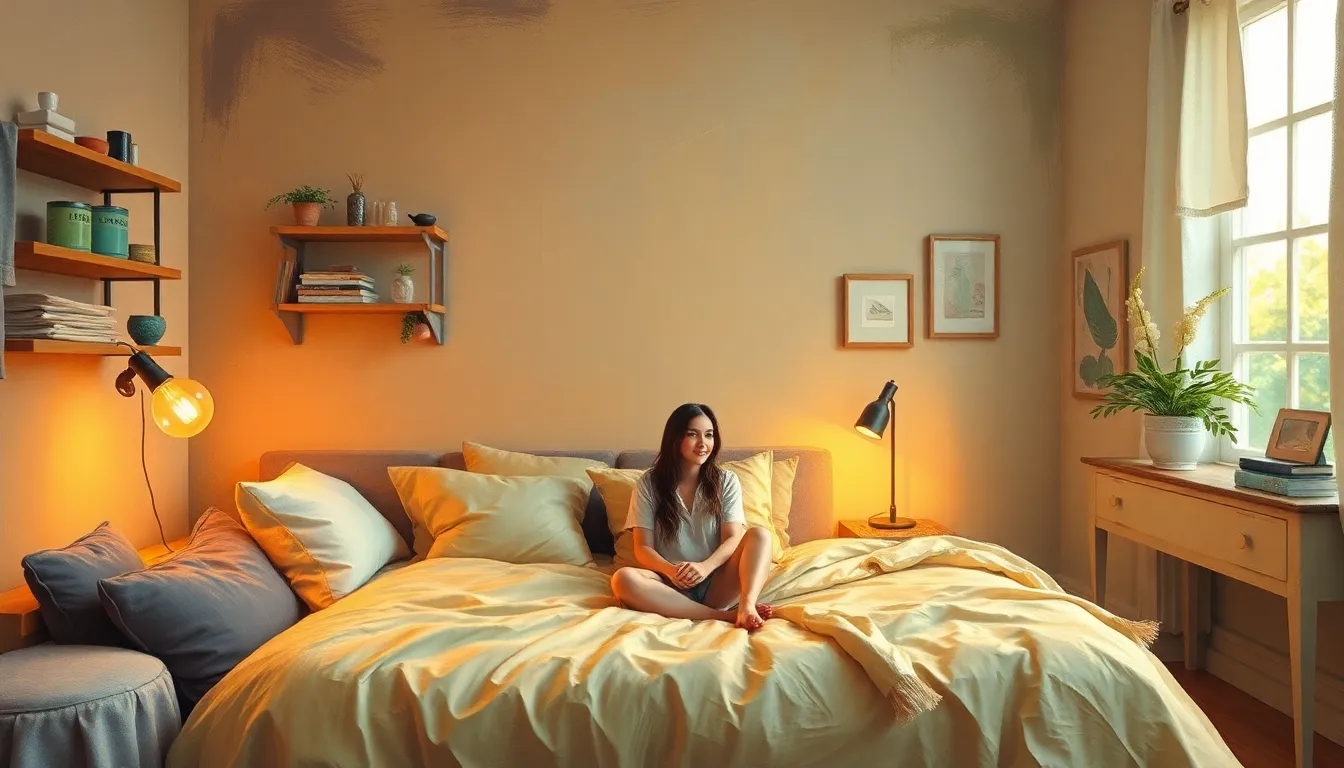
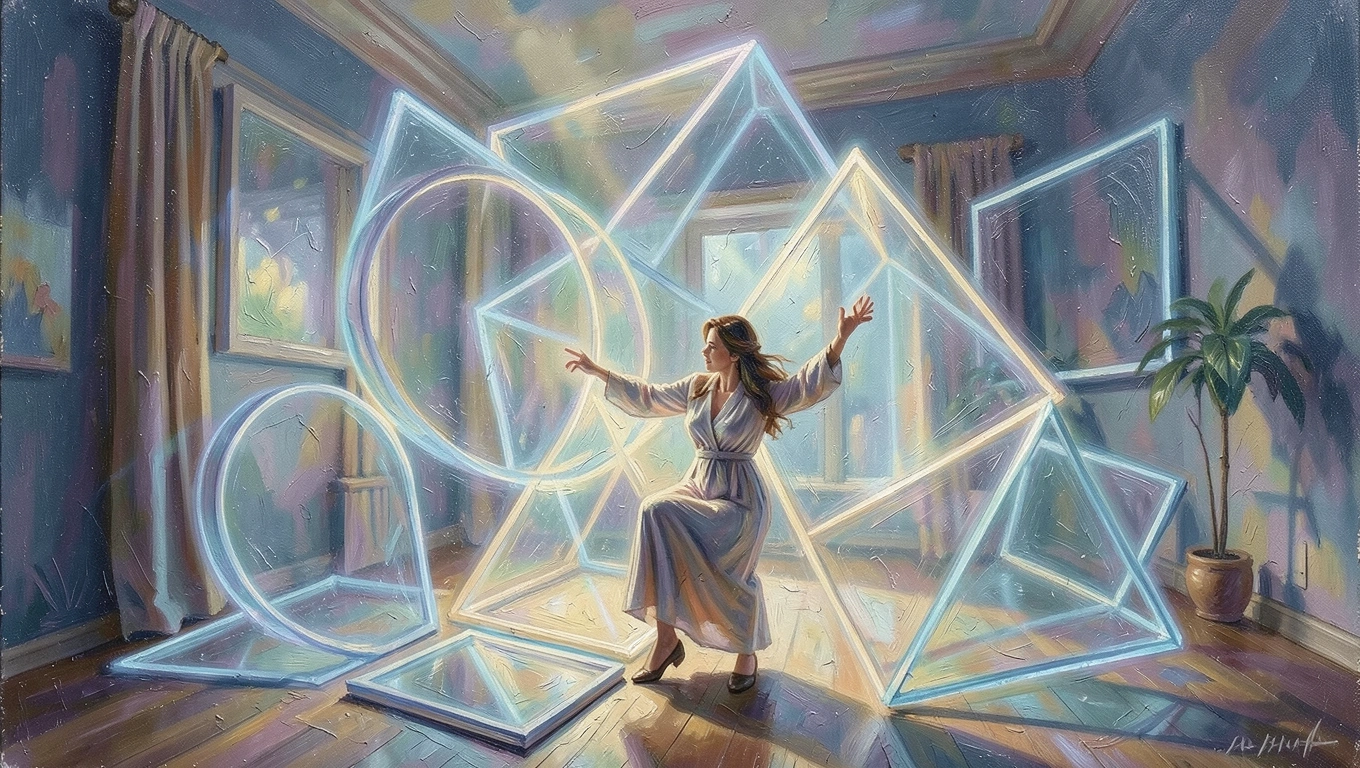
There’s something quietly transformative about walking into a room that just feels right. Everything seems to fall into place, your eye moves naturally from one element to the next, and the space somehow feels both organised and inviting. More often than not, that sense of harmony comes down to geometric shapes working behind the scenes. Squares, circles, triangles, and hexagons aren’t just abstract concepts from maths class – they’re powerful design tools that can give any room structure, balance, and visual interest. Whether you’re arranging furniture, choosing tiles, or hanging artwork, understanding how geometric shapes influence a space can help you create rooms that feel intentional and complete.
Why Geometric Shapes Matter in Room Design
When architects and interior designers plan a space, they think in shapes first. Every room is essentially a collection of geometric forms – the rectangular walls, square windows, circular light fittings, triangular roof lines. These fundamental building blocks create visually appealing and structurally sound spaces that influence how we experience a room.
The beauty of geometric design lies in its ability to create order without feeling sterile. Squares and rectangles naturally convey stability and structure, which is why they dominate furniture design – from dining tables to bookcases to bed frames. When you choose a rectangular sofa or a square coffee table, you’re building a foundation of visual reliability that helps ground the entire space.
But shapes do more than provide stability. Triangles and diamonds introduce movement and direction, drawing your eye along diagonal lines that create energy and dynamism. Think of a gallery wall arranged in a diamond pattern, or decorative cushions with chevron prints – these angular shapes prevent a room from feeling static or dull.
Circles and ovals work as the perfect counterbalance to all those straight lines. A round mirror above a rectangular console table, curved archways leading between rooms, or a circular dining table in a square space – these softer shapes encourage visual flow and create a sense of unity. They act as visual rest stops, giving your eye somewhere gentle to land amidst sharper architectural features.
Practical Ways to Introduce Geometric Structure
The most straightforward approach is through furniture selection. The shape of your pieces determines the room’s underlying geometry. A rectangular dining table creates different spatial dynamics than a round one – the former emphasises the length of a room and encourages formal seating arrangements, while the latter creates intimate conversation circles and works beautifully in compact spaces.
Your choice of seating shapes the room too. An L-shaped sectional defines a corner and creates natural boundaries within an open-plan space, whilst a pair of curved armchairs introduces softness and encourages face-to-face conversation. Angular coffee tables with geometric frames add visual interest, while nesting tables in varying shapes create layered depth.
Textiles offer an accessible way to experiment with geometric patterns without major commitment. Cushions with hexagonal prints, rugs featuring bold stripes or diamond motifs, and curtains with geometric weaves all introduce structure through pattern rather than form. The advantage here is flexibility – you can swap out textiles seasonally or when your tastes change, adjusting the room’s geometric impact without redecorating from scratch.
⚡ Expert Tip: Follow the rule of three when mixing geometric shapes in a single room. Choose one dominant shape (usually determined by your architectural features), one supporting shape for furniture, and one accent shape in accessories. This creates visual hierarchy without chaos – for example, rectangular walls, circular furniture pieces, and triangular patterns in textiles.
Creating Balance and Visual Rhythm
The real skill in using geometric shapes comes from knowing how to balance them. A room filled entirely with sharp angles can feel rigid and uncomfortable, whilst too many curves might lack definition and structure. The interplay between curved and straight lines creates visual interest and prevents monotony.
Think about your architectural bones first – the fixed elements you can’t easily change. If your room has strong rectangular features like tall windows, exposed beams, or built-in shelving, you’ve already established a geometric baseline. You can either emphasise that angularity with more rectangular furniture and linear patterns, creating a crisp, modern feel, or soften it with curved furniture, round mirrors, and flowing fabrics.
Repetition creates rhythm, but variation prevents boredom. If you have a grid of square picture frames on one wall, consider balancing it with a round pendant light or curved sofa. If your flooring features hexagonal tiles, keep your furniture lines cleaner and more straightforward to avoid visual competition. The goal is conversation between shapes, not argument.
Colour plays a supporting role here. Geometric patterns work best when the colour palette remains controlled. A bold geometric rug in multiple colours needs to be balanced with solid-coloured furniture and plain walls. Conversely, if your room is mostly neutral, a geometric feature wall or patterned accent chairs can introduce structure through shape without overwhelming the space.
Beyond Decoration: Architectural Geometry
Sometimes the most impactful geometric interventions aren’t decorative at all – they’re structural. Doorways, windows, and even the floorboards beneath your feet contribute to a room’s geometric character. A home with arched doorways has a fundamentally different feel from one with square door frames, and that architectural detail influences every subsequent design decision.
Consider how your windows divide wall space. A series of tall, narrow windows creates vertical lines that draw the eye upward, making ceilings feel higher. Wide, horizontal windows emphasise breadth and openness. The window placement establishes a geometric grid that you can either echo or deliberately contrast in your furniture placement and wall decoration.
Flooring patterns create geometric foundations that affect everything above them. Wooden floorboards laid lengthwise make narrow rooms feel longer, whilst diagonal laying adds visual width. Tile patterns – whether classic subway, herringbone, or modern hexagonal – establish rhythm at ground level that ripples upward through the space. Even the direction of floor pattern influences where you naturally want to place furniture.
Polygons and hexagons have become particularly popular in contemporary design, appearing in everything from bathroom tiles to pendant light fixtures. These modern shapes create strong visual signatures whilst offering something between the rigidity of squares and the softness of circles. A hexagonal mirror or a cluster of hexagonal wall shelves becomes an instant focal point that organises the space around it.
Q&A
How do I avoid making a room feel too busy with geometric patterns?
Balance is key – use the 60-30-10 rule. Let 60% of your room remain solid colours or subtle textures, introduce geometric patterns in 30% of the space (perhaps a feature wall or large rug), and use bolder geometric accents in the remaining 10%. Also, vary the scale of your patterns. If you have large geometric shapes on your rug, choose smaller, more delicate geometric prints for cushions to create visual hierarchy rather than competition.
What shapes work best in small rooms?
Circles and ovals are particularly effective in compact spaces because they lack sharp corners that can make small rooms feel cramped. Round dining tables allow easier movement around them, circular mirrors reflect light without harsh edges, and curved furniture pieces create flow. That said, don’t abandon rectangles entirely – vertical rectangular elements like tall bookcases or floor-to-ceiling curtains can make low ceilings feel higher, adding perceived space through geometry.
Can I mix different geometric styles in one room?
Absolutely, and doing so often creates the most interesting spaces. The trick is maintaining a clear dominant geometry whilst allowing supporting shapes to complement rather than compete. For instance, in a room with strong rectangular architecture, you might introduce circular decorative elements and triangular patterns in textiles. Keep your colour palette cohesive across different geometric elements so the variety comes from shape rather than from competing colours and patterns simultaneously.
Should geometric shapes match my room’s function?
There’s definitely a psychology to shapes that can enhance a room’s purpose. Squares and rectangles create structure and focus, making them excellent for home offices and formal dining rooms. Circles promote conversation and unity, so they work beautifully in living rooms and casual dining areas. Triangles add energy and movement, which can energise a home gym or creative workspace. That said, these are guidelines rather than rules – trust your instinct about what feels right for how you use the space.
For Conclusion
Geometric shapes are the invisible scaffolding that holds a well-designed room together. They create visual pathways, establish rhythm, and provide the structure that makes a space feel intentional rather than accidental. The beauty of working with geometry is that it’s simultaneously technical and intuitive – you can approach it with a designer’s precision, measuring and planning each element, or you can simply trust your eye and notice when a room feels balanced.
What matters most is awareness. Once you start seeing rooms as collections of shapes in conversation with each other, you’ll naturally make better decisions about furniture placement, artwork selection, and decorative choices. You don’t need to become a geometry expert or follow rigid design formulas. Just remember that every rectangular table, circular mirror, and hexagonal tile is contributing to your room’s overall structure, and with a bit of thoughtful attention, you can orchestrate those shapes into spaces that feel both organised and alive. The rooms that feel effortlessly right are usually the ones where geometry is doing its quiet, powerful work behind the scenes.

Related Posts