

When your child runs away from books as if they’re made of broccoli, it’s easy to worry about their future. You know reading matters – for vocabulary, imagination, school success – but pushing harder only seems to make things worse. The good news is that resistance to reading rarely means a child can’t or won’t ever enjoy books. More often, it means they haven’t yet found the right entry point, the right format, or the right reason to care. Building a genuine reading habit in a reluctant reader isn’t about forcing pages or setting quotas – it’s about creating positive experiences, removing pressure, and meeting your child exactly where they are.
The strategies that work best tend to be the ones that feel least like work. When reading becomes something cozy, social, or connected to what already excites your child, the resistance often melts away on its own.
Create a Reading Space That Feels Special
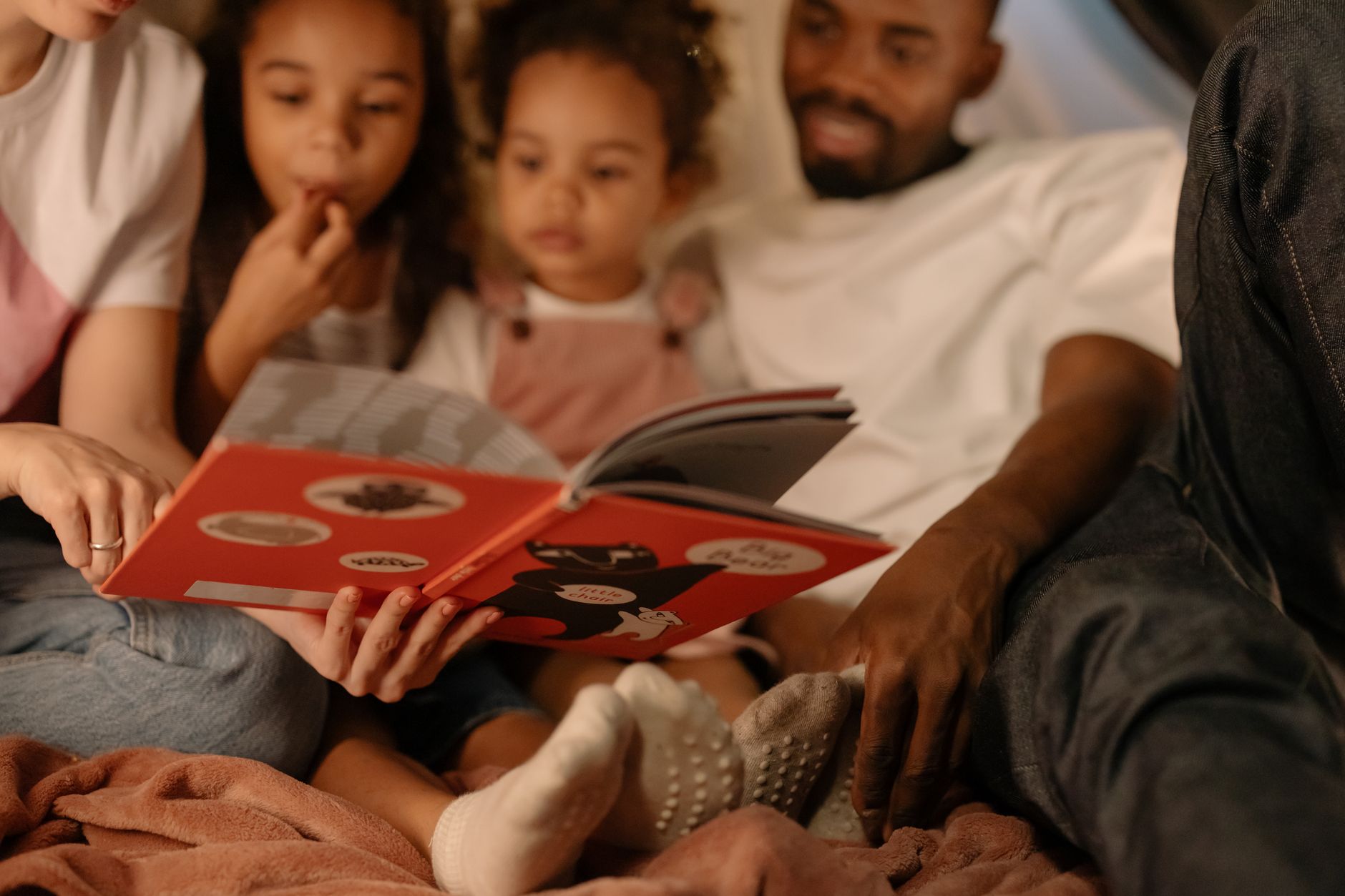
Environment shapes experience more than we realise. If your child associates reading with sitting upright at a desk under harsh lighting, no wonder they’re not keen. A comfortable, inviting reading nook can transform how reading feels – turning it from a chore into a treat.
This doesn’t require a dedicated room or expensive furniture. A corner of their bedroom, a spot under the stairs, or even a cushioned window seat can become a reading haven. Add soft pillows, warm lighting (a clip-on book light or a small lamp), and perhaps a basket of books within easy reach. Let your child help design it – choose the blanket, pick the cushions, decide where it goes. Ownership matters.
The goal is to make reading feel like something that happens in a cozy, chosen space rather than something imposed at the kitchen table between homework battles. When reading has its own special place, it becomes an activity worth seeking out rather than avoiding.
Let Them Choose Their Own Books
One of the fastest ways to kill a child’s interest in reading is to hand them books you think they should read. It doesn’t matter how award-winning, how educational, or how beloved by other children – if the topic doesn’t spark your child’s curiosity, the book will sit unread.
Children who get to choose their own reading material are far more likely to actually read it. If your child is obsessed with dinosaurs, let them pick dinosaur encyclopedias, graphic novels about prehistoric adventures, or even joke books with T-Rex puns. If they love football, find biographies of players, illustrated guides to the game, or fiction set on the pitch. The format matters less than the connection.
This means regular trips to the library or bookshop where your child leads. Yes, they might pick books that seem too easy, too silly, or too image-heavy. That’s fine. Comics and joke books offer shorter, accessible content that builds positive associations with reading without overwhelming a reluctant reader. Once they start enjoying the act of picking up a book, more complex material often follows naturally.
⚡ Expert Tip: If your child struggles with traditional chapter books, try audiobooks paired with a physical copy. They can follow along while listening, which reduces the reading effort while still building comprehension and vocabulary. Many children who resist silent reading will happily engage with a story they can hear.
Read Aloud Together – Even to Older Children
There’s a common misconception that once children can decode words on their own, reading aloud is no longer needed. In fact, continuing to read aloud well into the primary school years (and beyond) offers profound benefits that silent reading alone can’t match.
When you read aloud to your child, they’re exposed to vocabulary and sentence structures more sophisticated than they might tackle independently. Research shows that children who are read to daily may hear 1.4 million more words by the age of five than those who are not. Reading aloud also strengthens brain areas linked to visual imagery, story comprehension, and word meaning – skills that transfer when children read on their own.
Beyond the cognitive benefits, shared reading creates emotional connection. Snuggling up with a book becomes a bonding ritual, a moment of calm in a busy day, and a positive association with stories that can last a lifetime. For a child who resists reading alone, listening to a parent read removes the performance pressure while keeping the story experience alive.
Make it interactive when it feels natural. Pause to predict what happens next, discuss a character’s choice, or simply laugh together at a funny scene. This isn’t a comprehension test – it’s a conversation. Even older children who can read fluently often love being read to, especially before bed or during long car journeys. Don’t retire the read-aloud habit too early.
Make Reading Social and Fun
Reading doesn’t have to be a solitary, silent activity. For many children, especially those who thrive on social interaction, making reading a shared experience can be the key to engagement.
Consider starting a family reading night where everyone – parents included – reads for a set time and then shares something interesting from their book. No judgment, no tests, just sharing. Or create a mini book club with your child’s friends, where they pick a book together and meet (in person or online) to talk about it over snacks.
Props and costumes can also transform story time, particularly for younger children. Acting out scenes, using different voices for characters, or even dressing up as a favourite character brings stories to life in a tangible, playful way. When reading becomes something you do together, with laughter and creativity, it stops feeling like a task and starts feeling like an event.
Connecting books to real-world experiences reinforces the idea that reading isn’t separate from life – it enriches it. Read a book about ocean creatures and then visit an aquarium. Read about ancient Egypt and build a cardboard pyramid. These connections make stories memorable and show children that books can deepen their understanding of the world around them.
Start Small and Be Consistent
When you’re trying to build a habit in a resistant reader, consistency matters far more than duration. A long, exhausting reading session once a week will do less than ten minutes every day. Small, regular doses of reading help normalise it without triggering resistance.
Pick a time that fits naturally into your routine – after lunch, before bed, during a quiet moment in the afternoon. Even 10-15 minutes of consistent daily reading is more effective than sporadic longer sessions for children who are reluctant. Structure helps, but so does flexibility. If bedtime reading becomes a battle, try morning reading instead. The goal is to make it feel like a natural part of the day, not another obligation.
Also worth noting: having books physically present in the home makes a measurable difference. Studies suggest that children with access to even a small home library – as few as 20 books – tend to complete more years of education than children with no books at home. You don’t need a vast collection; you need books that are visible, accessible, and inviting.
Q&A
What if my child only wants to read the same book over and over?
Repetition is actually valuable, especially for younger children. Re-reading builds fluency, deepens comprehension, and creates comfort. Let them enjoy their favourite book as many times as they want – familiarity breeds confidence. Gently introduce new books alongside the favourites rather than replacing them.
Should I reward my child for reading?
External rewards like stickers or screen time can work in the short term, but they risk making reading feel like a transaction rather than something enjoyable in itself. Instead, focus on intrinsic rewards – the pleasure of finishing a story, the excitement of finding out what happens next, or the cozy ritual of reading together. Celebrate milestones naturally without turning reading into a points system.
How do I handle a child who says reading is boring?
Often, this means they haven’t found the right book yet. Broaden your search – try graphic novels, magazines, non-fiction about their hobbies, or books that incorporate humour. Let them see you reading for pleasure, too. Children model what they see. If reading looks boring to the adults around them, it will feel boring to them as well.
What if my child has genuine reading difficulties or dyslexia?
If your child struggles with decoding words despite consistent practice, it’s worth seeking an assessment. Reading difficulties are common and very treatable with the right support. In the meantime, audiobooks, books with large print, or dyslexia-friendly fonts can reduce frustration. The goal is to keep the love of stories alive while addressing the technical challenges separately.
For Conclusion
Building a reading habit in a child who resists books isn’t about winning a battle of wills – it’s about patience, creativity, and finding the path of least resistance. Some children fall in love with reading at first sight. Others need time, the right conditions, and books that speak to their specific interests before the magic clicks.
What matters most is that reading becomes associated with positive feelings – comfort, curiosity, connection – rather than pressure or obligation. Create the environment, offer the choice, read together, and trust the process. Every child’s journey to reading looks different, and that’s perfectly fine. The child who currently hides from books might, in a year or two, be the one sneaking a torch under the covers to read just one more chapter. All they need is the right spark, and your job is simply to keep offering kindling until it catches.

Related Posts