
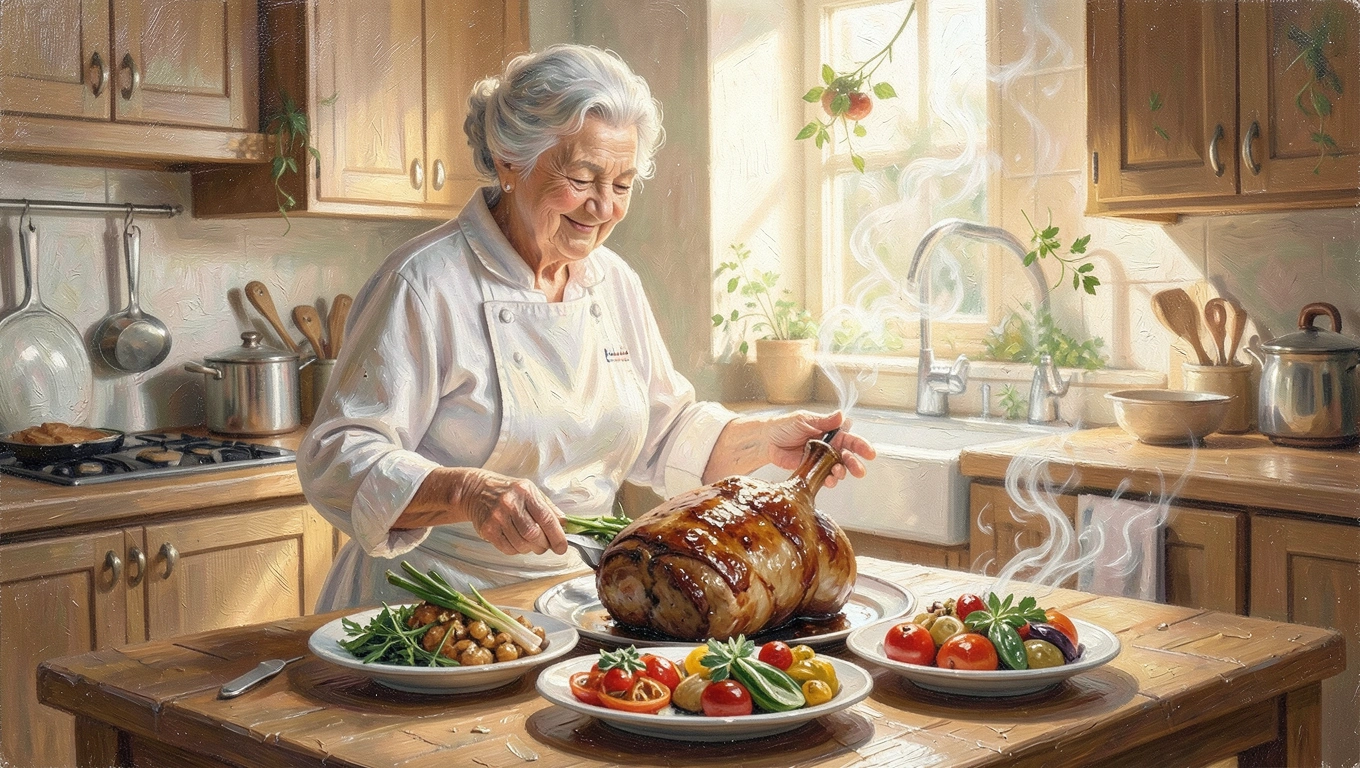
The Sunday roast stands as one of Britain’s most cherished culinary traditions, yet many home cooks approach it with a knot of anxiety in their stomach. Between timing the potatoes, ensuring the meat is perfectly cooked, and getting everything hot on the table simultaneously, the afternoon can feel more like battle than the relaxed family meal you imagined. The good news? A proper Sunday roast doesn’t require culinary wizardry or military-grade scheduling. With a few strategic approaches and some advance preparation, you can deliver a table-groaning feast without spending the entire day stressed in the kitchen. This guide will walk you through the methods that make Sunday roast day genuinely enjoyable.
Understanding the Sunday Roast Tradition
The Sunday roast tradition we know today has fascinating working-class roots. During the Industrial Revolution in the late 1700s, families developed a clever system: they would place their joint of meat in the oven before heading to church, adding vegetables later so dinner would be nearly ready when they returned home. For those without large ovens, an even more communal solution emerged. Less wealthy families would drop their meat at the local baker’s shop on their way to the service, where it would cook gently in the cooling bread ovens, ready for collection after church.
This historical context matters because it reminds us that the Sunday roast was never meant to be complicated or stressful. It was designed as a practical meal that could largely look after itself while the family was away. Yorkshire pudding, now a beloved component, was originally served as a starter with gravy, a thrifty strategy to fill people up before the main event, reducing how much of the more expensive meat they would consume. These origins reveal something important: the Sunday roast thrives on simplicity and clever timing, not on constant attention or complicated techniques.
Planning and Preparation Make Everything Easier
The secret to a stress-free Sunday roast lies in what you do the day before. Many components can be prepared in advance without any loss of quality. You can peel potatoes on Saturday evening and leave them submerged in cold water in the fridge. This not only saves precious time on Sunday but actually improves the final result, as the cold water draws out excess starch, helping create crispier roasties. Similarly, horseradish sauce, bread sauce, and any stuffing can be made entirely the night before and simply reheated when needed.
Your shopping should be equally strategic. Write a complete list organised by cooking sequence rather than by food type. Think through your oven space and timing: what needs to go in first, what can share shelf space, and what requires the highest temperature. Consider which vegetables genuinely benefit from roasting and which might be easier steamed or boiled. Carrots and parsnips are brilliant roasted alongside the meat, while greens can be quickly steamed in the final minutes. BBC Good Food’s Sunday lunch masterclass offers excellent guidance on coordinating these elements.

The morning of your roast, create a simple timeline working backwards from your intended serving time. Factor in resting time for the meat, last-minute gravy preparation, and getting everything plated. This timeline becomes your anchor, preventing that panicked feeling when you realise three things need attention simultaneously.
⚡ Expert Tip: Rest your roasted meat for half the time it cooked. If your beef roasted for two hours, let it rest for an hour wrapped loosely in foil. The meat will stay warm, the juices will redistribute throughout, and you gain valuable time to prepare gravy, finish vegetables, and heat plates without rushing.
Mastering the Core Components
The meat itself demands respect but not fear. Choose a joint appropriate for your number of guests, and bring it to room temperature for at least an hour before cooking. This ensures even cooking throughout. Season generously with salt and pepper, and don’t be shy with it. A proper roasting tin with a rack keeps the meat above its drippings, promoting even browning and giving you the foundation for outstanding gravy later.
Temperature matters more than timing charts. Invest in a reliable meat thermometer and learn the internal temperatures for your preferred doneness. This removes all guesswork and prevents the anxious repeated opening of the oven door, which only extends cooking time and dries everything out. Once your meat reaches temperature, remove it immediately and tent it loosely with foil to rest.
Roast potatoes cause more Sunday stress than perhaps any other element, yet they follow straightforward principles. Par-boil your peeled potatoes in salted water until just tender, drain them thoroughly, then roughen the surfaces by shaking them gently in the colander. This creates the texture that crisps beautifully. Roast them in hot fat, whether goose fat, beef dripping, or vegetable oil heated until shimmering. Space them out so they’re not crowded, and resist turning them too frequently. One good turn halfway through is sufficient.
Yorkshire puddings benefit from a very hot oven and a hot tin. Pour your batter into sizzling oil or dripping, and don’t open the oven door until they’ve risen and set. The batter itself can be made hours in advance and actually improves from resting in the fridge. Knorr’s Sunday roast guide offers additional techniques for consistent results.
Stress-Reducing Strategies and Shortcuts
Not every element of a Sunday roast needs to be made from scratch. Good-quality frozen Yorkshire puddings are entirely acceptable and free you from timing stress. Shop-bought horseradish or mint sauce saves time without compromising the meal. The point is feeding people you care about, not proving you can make everything yourself under time pressure.
Consider cooking methods that free up oven space. A slow cooker can handle your meat joint beautifully while the oven focuses on vegetables and Yorkshire puddings. Slow-cooked pork shoulder, for instance, becomes meltingly tender with minimal supervision, and you can start it early in the morning without standing over it. Vegetables that cook on the hob, like steamed broccoli or boiled peas, add valuable flexibility when your oven is packed.
Gravy can be your ally rather than a last-minute panic. Use the resting time for your meat to make gravy properly. Pour off excess fat from your roasting tin, leaving the caramelised bits and some dripping. Add flour directly to the tin over medium heat, stirring to create a roux with the meat juices. Gradually add hot stock, scraping up all those flavourful sticky bits from the bottom. This approach gives you rich, proper gravy without needing a separate pan or complicated techniques.
Finally, accept that everything doesn’t need to hit the table at exactly the same moment. Rested meat stays warm for quite a while. Roast potatoes can sit in a low oven. Yorkshire puddings can be reheated briefly if needed. Professional kitchens manage timing by understanding these tolerances, and you can too.
Q&A
How far in advance can I prep vegetables for Sunday roast?
Root vegetables like potatoes, carrots, and parsnips can be peeled and stored in cold water in the fridge for up to 24 hours before cooking. This actually benefits potatoes by removing excess starch. Green vegetables should be prepared on the day for best texture and colour, though you can trim them the night before and keep them in a sealed bag in the fridge. Brussels sprouts can be trimmed and scored a day ahead without issues.
What should I do if my meat is ready but the potatoes aren’t?
Remove the meat immediately and let it rest, tented loosely with foil. Properly rested meat stays warm for much longer than most people expect, and the resting period actually improves the texture and moisture. Turn up the oven temperature slightly for the potatoes if needed, though avoid going above 220°C or they’ll burn on the outside before crisping throughout. Your hour-long rest period for the meat gives you plenty of time to finish everything else.
Can I make Yorkshire pudding batter in advance?
Absolutely, and the batter often performs better after resting in the fridge for several hours or even overnight. The resting period allows the flour to fully hydrate and the mixture to relax, which can result in better rising and texture. Just give it a quick whisk before using, as the ingredients may separate slightly during storage. Let it come closer to room temperature for about 30 minutes before cooking for the best results.
How do I keep everything hot until serving?
Use your oven as a warming drawer. Once your meat is out resting and your oven is free, turn it down to around 80-100°C and place serving dishes inside to warm. Roast potatoes and other vegetables can sit in this low oven without drying out or overcooking. Warm your serving plates at the same time. Cover dishes loosely with foil if you’re worried about surfaces drying. This professional technique means everything arrives at the table properly hot without anyone standing over timers.
For Conclusion
The Sunday roast represents more than just a meal. It’s a weekly ritual that brings people together, a tradition worth preserving precisely because it creates space for conversation and connection. The stress many of us feel around preparing one comes not from the cooking itself but from the expectation of perfection and the pressure of timing. Once you understand that this meal was historically designed to be practical and forgiving, not a culinary examination, everything changes.
The strategies in this guide work because they’re rooted in how professional kitchens operate: prepare what you can in advance, understand resting times and holding temperatures, and accept that good enough is genuinely good enough. Your family and guests will remember the warmth of gathering together far longer than they’ll remember whether your Yorkshire puddings were textbook perfect. Focus on creating an afternoon where you can actually sit down and enjoy the meal you’ve prepared, rather than arriving at the table exhausted and anxious. That’s what a proper Sunday roast is really about, and it’s entirely within your reach.

Related Posts