

Winter mornings can make the warmth of your duvet feel impossible to leave. The darkness, cold air, and shorter days create a perfect storm of excuses to skip your daily walk. Yet this is precisely when building a walking habit matters most. Regular walks through winter months deliver surprising benefits – from naturally lifting your mood and helping stave off seasonal depression to activating your immune system when you need it most. The key isn’t forcing yourself into an unrealistic routine, but creating a flexible system that works with winter’s unique challenges rather than against them.
Why Winter Walking Deserves Your Commitment
Your body responds differently to walking in cold weather, and most of these differences work in your favour. When you walk in chilly temperatures, your body works harder to maintain its core temperature, leading to more calories burned compared to the same walk on a mild spring day. This extra effort extends beyond calorie burn – walking in cold temperatures strengthens your heart as it works harder to circulate blood throughout your body, which also improves your overall endurance.
The immune benefits are particularly valuable during winter. Engaging in moderate aerobic activity like walking for 30-45 minutes each day can activate your immune system and increase the number of immune cells patrolling for threats. This natural boost happens when many people are fighting off winter bugs and seasonal illnesses.
Perhaps the most compelling reason to walk through winter is the mental health payoff. Fresh air and whatever sunshine you can catch naturally lift your mood. Even on overcast days, outdoor light exposure helps regulate your circadian rhythm better than any indoor lighting can manage. This matters enormously when daylight feels scarce and seasonal depression threatens to settle in.
Consistent exposure to cooler temperatures during your winter walks also helps activate brown fat, a special type of fat tissue that burns calories to generate heat. Unlike the white fat your body stores for energy, brown fat is metabolically active and works to keep you warm. Regular cold exposure gradually trains your body to become more efficient at this process.
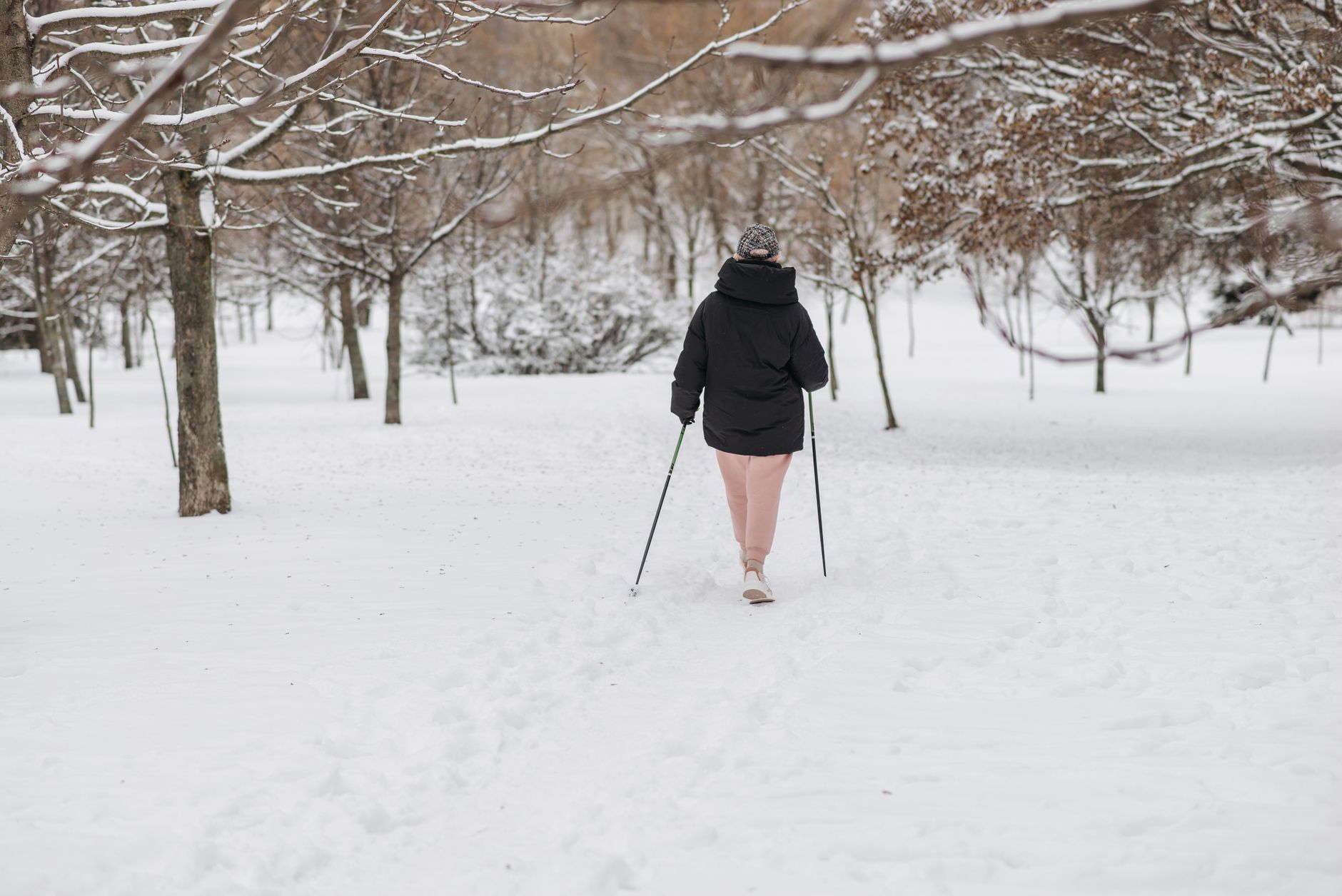
Setting Up Your Winter Walking System
Habits stick when they’re easier to do than to skip. In winter, this means removing as many barriers as possible before motivation becomes an issue. Start by laying out your walking clothes the night before. Not just your coat, but everything – base layers, socks, gloves, hat. When your alarm goes off and the room feels freezing, you want to eliminate every decision point between bed and the door.
Choose a consistent time that genuinely fits your winter schedule. Building a daily walking habit that lasts year-round requires honest assessment of when you’ll actually follow through. Lunch breaks work brilliantly for many people because they capture whatever daylight exists and break up the workday. Early morning walks offer quiet streets and a sense of accomplishment before the day begins, though they demand going out in darkness for much of winter.
Your route matters more in winter than summer. Pick well-lit paths if you’re walking in darkness. Identify which pavements in your neighbourhood get cleared first after snow or ice. Map out a shorter backup route for truly miserable weather days – a 15-minute loop beats skipping entirely. Having options prevents the all-or-nothing thinking that kills habits.
Invest in proper gear without overthinking it. You need fewer specialized items than you might imagine. A decent waterproof jacket, thermal base layer, and gloves that let you use your phone cover most conditions. Your regular trainers work fine unless you’re dealing with ice regularly. The goal is removing the excuse that you don’t have the right equipment.
⚡ Expert Tip: The “two-minute rule” transforms winter walking compliance. Commit only to putting on your outdoor clothes and stepping outside for two minutes. You can come straight back in if you want. This tiny commitment defeats the mental resistance, and once you’re dressed and outside, you’ll almost always complete your full walk.
Making It Work When Motivation Disappears
Motivation is unreliable, especially on dark Tuesday mornings when rain hammers your windows. The walkers who make it through winter don’t rely on feeling motivated. They rely on systems that work even when motivation has left the building.
Accountability creates external pressure that carries you through low-motivation days. A walking partner transforms the commitment from something you’re doing for yourself to something you’re doing with someone else. You’re far less likely to bail when someone is waiting for you at the corner at 7am. If coordinating schedules proves difficult, technology offers alternatives. Apps that track streaks tap into your natural reluctance to break a chain of consecutive days. Some people find that posting their walks to social media creates just enough social pressure to maintain consistency.
Pairing your walk with something you genuinely enjoy makes the habit sticky. Queue up a podcast you only allow yourself to hear while walking. Save your favourite playlist for outdoor movement. Some people use walking time for phone calls with distant friends or family. The walk becomes the vehicle for something you actively want to do, rather than a chore requiring willpower.
Track metrics that actually motivate you personally. Step counts work for some people but leave others cold. You might respond better to tracking consecutive days, total distance for the month, or simply checking off each day on a physical calendar. The specific metric matters less than finding one that gives you satisfaction when the number grows.
Build in flexibility without abandoning the habit. Some winter days genuinely aren’t safe for outdoor walking – ice storms, extreme cold warnings, severe weather. Having an indoor alternative prevents these days from derailing your streak entirely. A backup plan might be walking laps around a shopping centre, using a treadmill, or doing an indoor walking video. The habit is daily movement, not specifically outdoor walking every single day regardless of conditions.
Adapting Through Winter’s Different Phases
Winter isn’t one consistent challenge. Early winter in November feels completely different from the depths of January or the slow thaw of March. Your walking habit needs to flex with these phases rather than maintaining rigid consistency.
The early winter transition period is where many people stumble. The clocks have just changed, darkness arrives shockingly early, and your summer routine suddenly doesn’t fit. This is the moment to actively redesign your schedule rather than trying to force the old system to work. If you walked after work in daylight during summer, you’ll need either to shift to lunchtime walks or embrace walking in darkness with proper visibility gear.
Deep winter – those weeks when it feels like spring will never arrive – demands different tactics. This is when the mental health benefits of outdoor walking become most valuable and when maintaining the habit feels hardest. Shorten your minimum commitment if needed. A 15-minute walk in brutal cold still delivers many of the benefits and keeps the habit alive. You can always walk longer when conditions improve, but you can’t rebuild a habit you’ve completely abandoned.
Late winter often brings a second wave of motivation as days lengthen noticeably and temperatures start their irregular climb toward spring. Capitalize on this energy by gradually extending your walks or adding variety to your routes. This is the phase where your winter habit either solidifies into a year-round practice or fades as soon as weather improves.
Q&A
What temperature is too cold for walking outside?
There’s no universal temperature threshold, as wind chill and personal tolerance vary considerably. Many regular winter walkers continue in temperatures well below freezing when properly dressed. The genuine danger zones are extreme cold warnings issued by weather services, typically when wind chill creates risk of frostbite within minutes. Below these extremes, it’s more about layering appropriately than the thermometer reading itself. Watch for ice rather than just cold – a mild day after freezing rain can be more dangerous than a very cold but dry day.
How do I stay visible when walking in winter darkness?
Reflective gear works better than light-coloured clothing because it bounces back car headlights. Clip-on LED lights or a headtorch make you visible and help you see uneven pavement or ice patches. Many runners’ vests include both reflective strips and small LED lights. Walk facing traffic where possible so you can see cars approaching rather than having them come up behind you. Avoid wearing headphones in both ears when walking in darkness – you need to hear approaching vehicles.
What if I miss several days in a row?
Missing days doesn’t erase the habit you’ve built, though it does make restarting harder the longer the gap extends. The crucial move is resuming with your easiest, shortest route rather than trying to make up for lost time with an ambitious walk. Treat your next walk as day one of rebuilding, not as a failure that needs compensating for. The walkers who maintain long-term habits are the ones who restart quickly after interruptions rather than those who never miss a day but quit entirely after their first break.
Should I walk at the same time every day?
Consistency in timing does help cement the habit, as it becomes part of your daily rhythm rather than something you need to schedule. However, rigid timing can become a vulnerability when your schedule shifts. A better approach is having a primary time slot and a backup option. Perhaps you normally walk at lunch, but when meetings intrude, you have an after-work backup plan. The consistency you’re building is the daily walk itself, not the specific time it happens.
For Conclusion
Winter walking habits stick when they’re built on realistic expectations rather than optimistic ones. You won’t feel like walking every day. Some mornings will be genuinely unpleasant. The weather will occasionally win. None of this means you’ve failed or that winter walking isn’t worth doing.
The walkers who make it through to spring are the ones who plan for difficulty rather than hoping it won’t arise. They set up systems that work on bad days. They adjust their routes and timing as winter progresses. They have backup plans and don’t treat missed days as catastrophes. They remember that even a short walk delivers benefits and keeps the habit alive.
Your winter walking habit doesn’t need to look like anyone else’s. It needs to work for your schedule, your climate, your fitness level, and your particular set of obstacles. Start smaller than feels necessary. Build in more flexibility than seems reasonable. Focus on maintaining consistency over impressive distance or speed. The habit you build through these cold months becomes the foundation for year-round movement that serves your health long after winter finally releases its grip.

Related Posts