
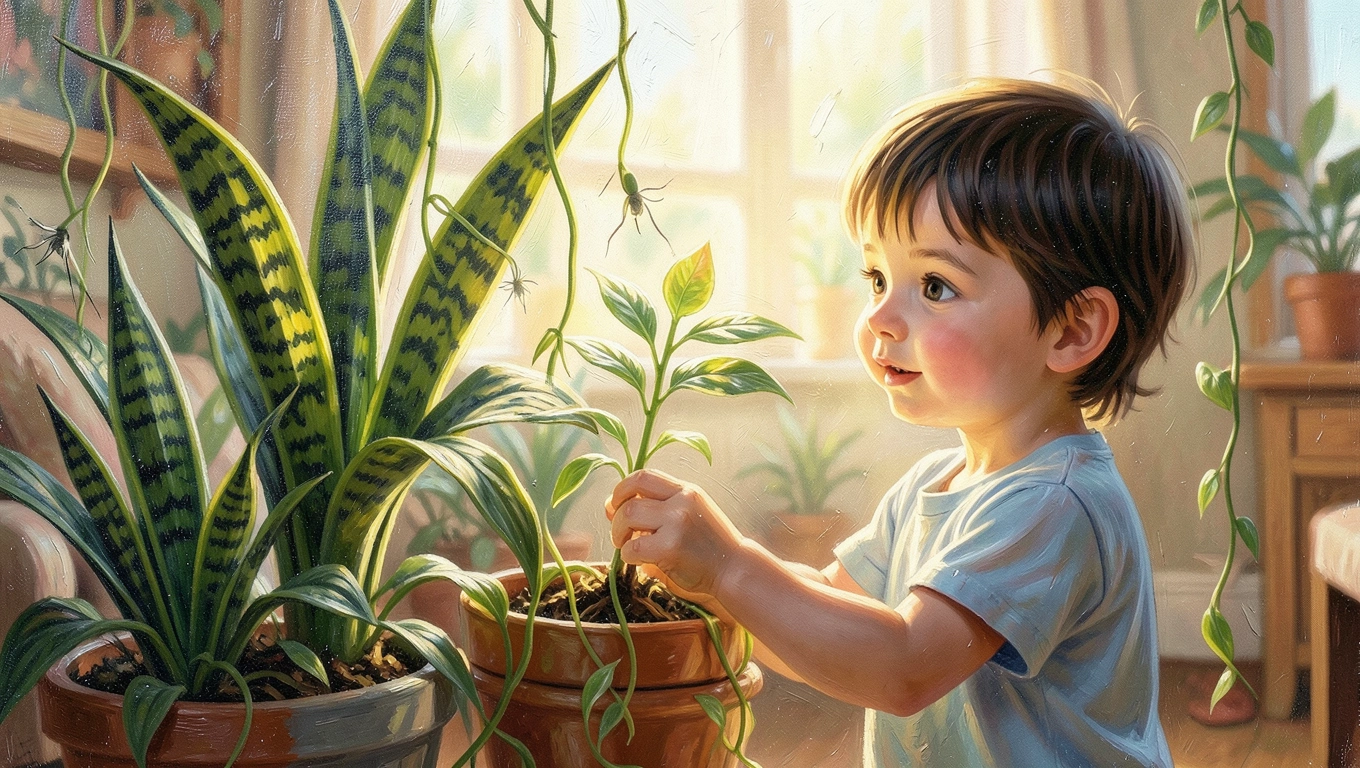
Getting children involved with houseplants is a wonderful way to teach responsibility, patience, and an appreciation for nature without needing a garden. Not all plants are suited for small hands and wandering attention spans, but several varieties are so forgiving that they can survive the occasional missed watering or overzealous care. These easy-going houseplants let children experience the satisfaction of watching something grow under their care, building confidence and curiosity along the way. The best part is that many of these plants are nearly indestructible, making them perfect companions for young gardeners who are still learning the ropes.
Why Snake Plants Are Perfect for Beginners
The snake plant, sometimes called Mother-in-law’s Tongue, is one of the toughest houseplants you can find. Its stiff, upright leaves can grow over 6 feet tall, creating a striking vertical presence in any room. What makes it particularly brilliant for children is its remarkable tolerance for neglect. Snake plants can survive for weeks without water, so if your child forgets their watering duties during a busy week at school, the plant won’t hold a grudge.
The thick, waxy leaves store water efficiently, meaning they need watering only when the soil has completely dried out. Children can learn to check the soil by poking a finger about an inch down – if it feels dry, it’s time to water. This simple test gives them a hands-on way to understand what plants actually need rather than following a rigid schedule.
Snake plants are among the most resilient houseplants, making them ideal for young gardeners. Ancient cultures even used the plant’s strong fibres to make bowstrings, baskets, and clothes, which gives children an interesting conversation starter about how useful plants can be beyond just decoration. The variegated patterns on some varieties can spark discussions about why plants develop different colours and patterns.
Spider Plants and Their Baby Spiderettes
Spider plants capture children’s imagination because they produce visible, tangible results fairly quickly. These plants are known for producing spiderettes, which are baby plants that dangle from long, arching stems. These miniature clones of the parent plant hang like little green spiders on threads, giving the plant its common name and providing an ongoing source of fascination.
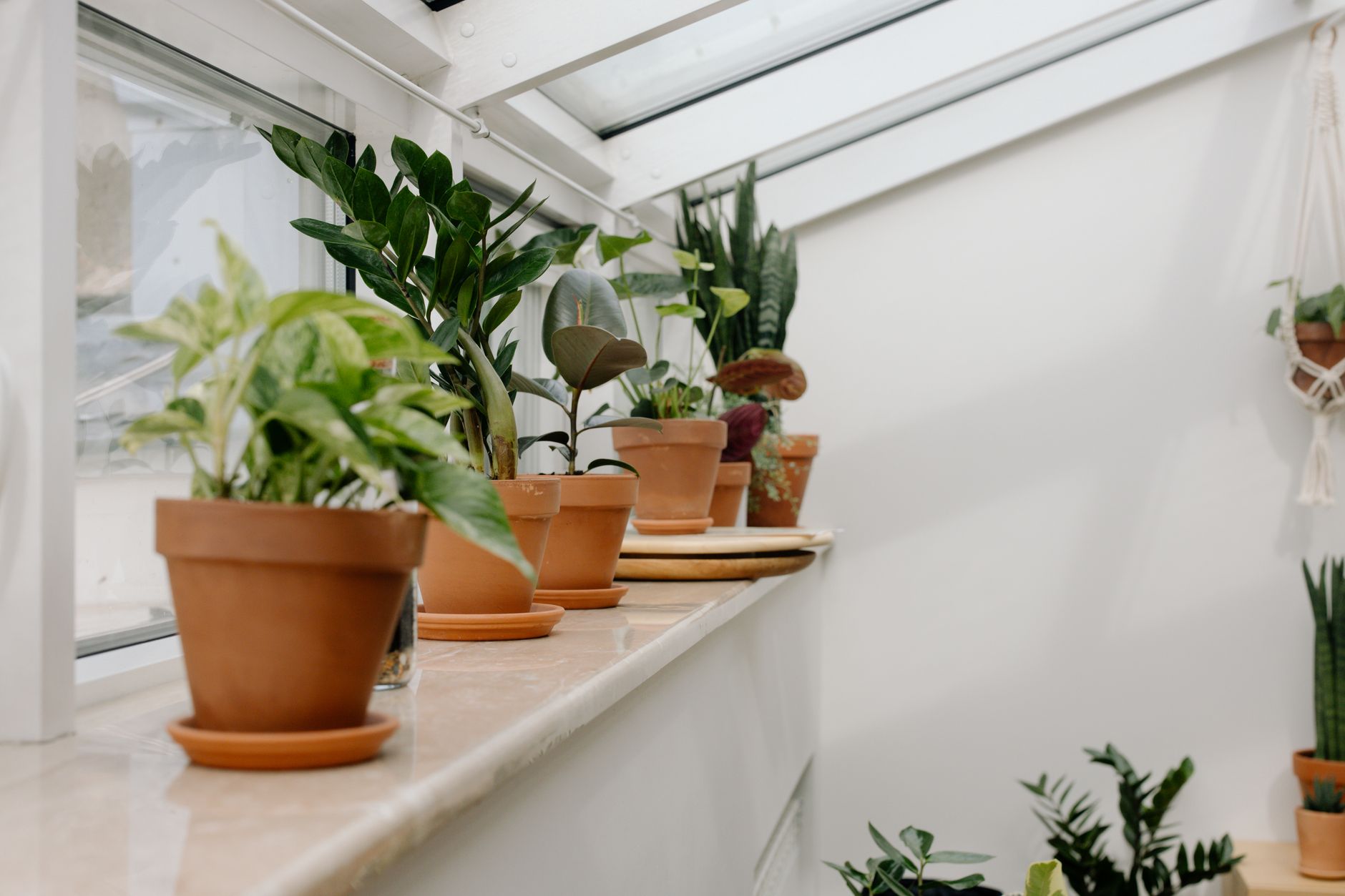
Children can watch these babies develop and eventually help propagate them by snipping them off and placing them in water or soil. It’s a brilliant way to demonstrate plant reproduction in a hands-on manner, and before long, your child might have started their own little plant nursery to share with friends or family members. The sense of achievement when a spiderette takes root and grows into its own plant is genuinely exciting for young gardeners.
Spider plants are also forgiving about watering and can tolerate a range of light conditions, though they prefer bright, indirect light. They’re non-toxic to pets, making them a safe addition to households with curious cats or dogs. The fact that spider plants can absorb common air pollutants adds an educational angle about how plants improve indoor air quality, turning plant care into a broader conversation about the environment.
⚡ Expert Tip: Create a simple plant care chart with your child using pictures instead of just words. Draw a sun for light needs, a water droplet for watering days, and a happy face for how the plant is doing. This visual system helps younger children remember responsibilities and builds ownership without relying on adult reminders.
The Nearly Immortal Pothos Plant
Pothos plants have earned the nickname Devil’s Ivy because they’re almost impossible to kill. They can thrive in low light conditions with minimal care, making them extraordinarily forgiving for children who might forget to check on them regularly. In their native jungle environment, pothos vines can grow over 60 feet long, which gives children a sense of the plant’s natural vigour and resilience.
The heart-shaped leaves and trailing vines make pothos visually appealing, and children often enjoy training the vines along shelves or around windows. Some cultures believe that pothos plants bring good luck and financial prosperity, which adds a fun cultural dimension to caring for the plant. Whether or not you believe in that symbolism, there’s definitely something satisfying about watching the vines extend and produce new leaves.
Pothos can be propagated easily by taking cuttings and placing them in water until roots develop. This gives children multiple opportunities to experiment with growing new plants, and they can watch the roots develop through the glass container. The process typically takes a few weeks, which teaches patience while still providing visible progress. Pothos tolerates irregular watering better than most plants, bouncing back even if it gets a bit droopy from thirst.
ZZ Plants for Low-Maintenance Greenery
The ZZ plant, also known as the Zanzibar Gem, might have an unusual name but it’s one of the most accommodating houseplants you can introduce to a child. These plants store water in their thick, underground stems called rhizomes, which helps them survive periods of drought without complaint. If your child goes through a phase of forgetting their plant duties, the ZZ plant will quietly wait until they remember.
ZZ plants can tolerate low light conditions, making them suitable for bedrooms or playrooms that don’t get abundant natural sunlight. The glossy, dark green leaves have an almost plastic-like sheen that stays attractive with minimal effort. Unlike some plants that become leggy or pale in low light, ZZ plants maintain their compact, upright form quite well.
The plants are recognized for their air-purifying abilities, which can be a talking point about how plants and humans help each other – we provide carbon dioxide, and they give us cleaner air in return. The slow, steady growth of ZZ plants means children won’t see dramatic changes week to week, but over months they’ll notice new stems emerging from the soil, providing a longer-term perspective on growth and development.
Q&A
How often should children water these easy houseplants?
Most of these hardy plants prefer to dry out between waterings, which typically means watering every one to two weeks depending on your home’s temperature and humidity. The best approach is to teach children the finger test – poking a finger about an inch into the soil to check for moisture. If it feels dry, it’s time to water. If it’s still damp, wait a few more days. This hands-on method is more reliable than a fixed schedule and helps children develop observation skills.
Are these plants safe if young children or pets accidentally touch or taste them?
Spider plants are non-toxic and safe for households with pets and young children. However, snake plants, pothos, and ZZ plants contain compounds that can cause irritation if ingested, so they’re best placed out of reach of very young children and pets who might chew on leaves. Teaching children that plants are for observing and caring for, not eating, is an important early lesson. If you have concerns, spider plants are your safest bet.
What’s the best way to involve very young children in plant care?
For children under five, focus on simple observation and watering with supervision. Let them feel the soil, help pour water from a small jug, and wipe dust off leaves with a damp cloth. Create a routine where they check on their plant at the same time each week, perhaps after weekend breakfast. As they get older, they can take on more responsibility like recognizing when leaves look droopy or checking for new growth independently.
Can these plants be grown from cuttings as a learning project?
Absolutely. Pothos and spider plants are particularly brilliant for propagation projects. Children can watch roots develop in water over a few weeks, then plant them in soil to grow a whole new plant. This demonstrates plant biology in real time and gives children a sense of accomplishment. It also means they can share plants with friends or grandparents, extending the learning experience beyond their own home and creating connections between their care efforts and tangible results.
For Conclusion
Introducing children to houseplant care through these resilient varieties creates opportunities for learning that extend far beyond botany. The patience required to watch a plant grow, the responsibility of regular care, and the satisfaction of seeing new leaves unfurl all contribute to building character and confidence. These particular plants succeed because they forgive the inevitable mistakes that come with learning, whether that’s occasional overwatering, a missed week, or an experimental relocation to a different window.
The key is choosing plants that match your child’s age and interest level, then building routines that make care feel natural rather than burdensome. Start with just one plant rather than overwhelming them with several, and let success with that first one build enthusiasm for expanding their indoor garden. What begins as a simple pot on a windowsill can grow into a genuine hobby that teaches valuable life skills while bringing a bit of nature into your home. The connection children develop with their plants often surprises parents, proving that even the smallest green companion can make a meaningful difference in a child’s daily life.

Related Posts