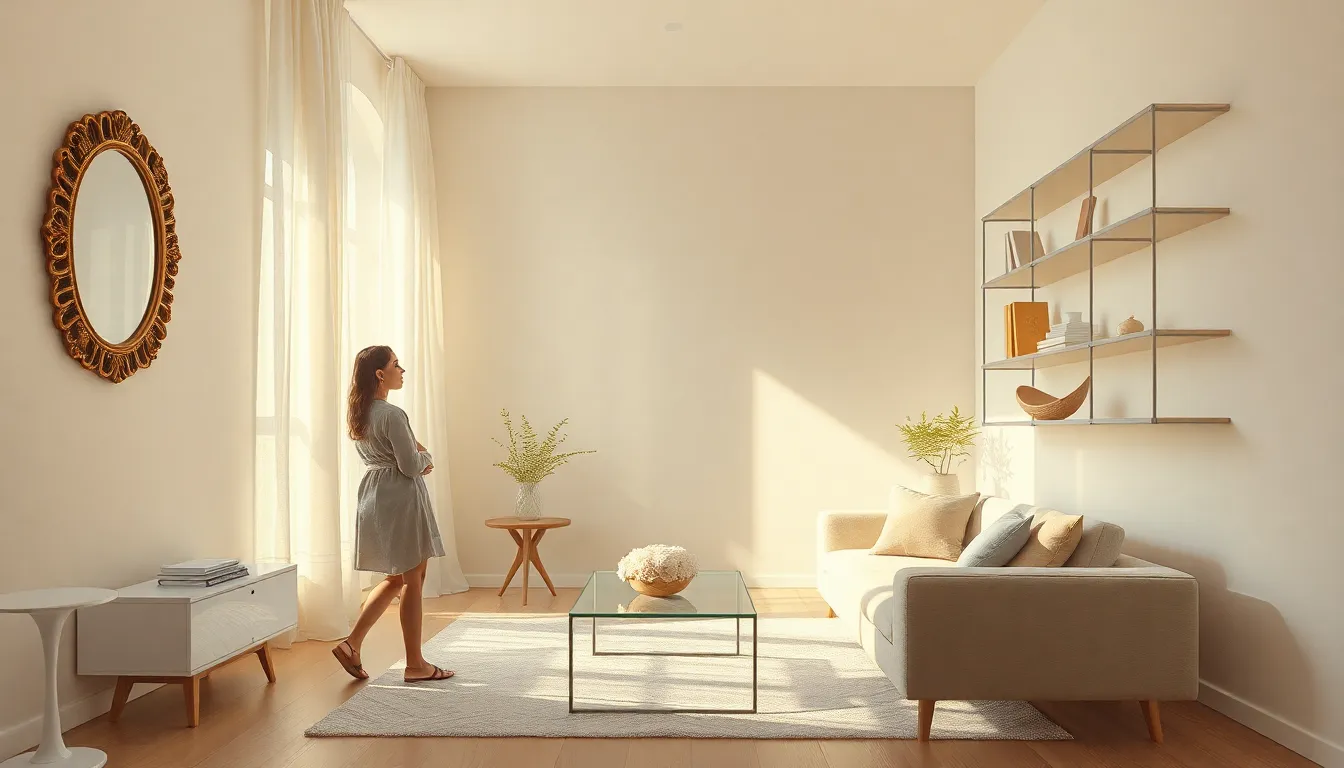
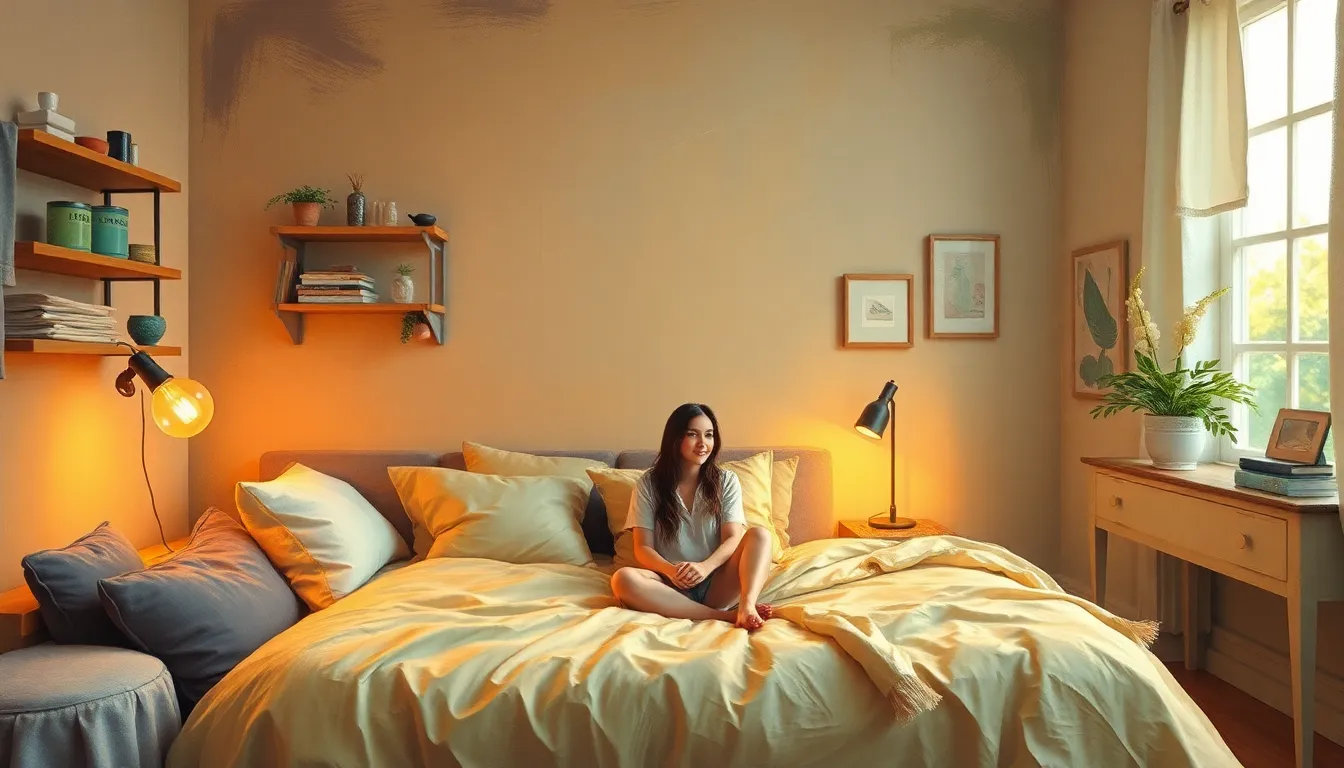
There’s something magical about transforming a room without breaking the bank or committing your entire month to renovations. Whether it’s a bedroom that’s lost its spark or a living room that feels stuck in the past, weekend projects offer the perfect solution. You don’t need contractor-level skills or a massive budget to breathe new life into tired spaces. With a couple of days and some clever planning, you can create a room that feels brand new. These affordable refreshes prove that dramatic change doesn’t require dramatic spending, and the satisfaction of completing a project in just two days makes it even better.
Paint Projects That Make the Biggest Impact
Paint remains the ultimate weekend transformer for tired rooms. A fresh coat on walls can completely shift the mood and energy of a space, and you’re looking at minimal investment for maximum visual change. Consider an accent wall if painting the entire room feels overwhelming. Choose one wall to paint in a bold, contrasting colour while keeping the others neutral. This creates instant depth and interest without requiring days of work.
Don’t stop at walls. Painting outdated furniture pieces gives them a second life and costs a fraction of buying new items. That tired dresser or bland bookshelf can become a statement piece with the right colour. Clean the surface thoroughly, apply a primer if needed, and use quality furniture paint for durability. Chalk paint works brilliantly for beginners because it requires minimal prep work and creates a beautiful matte finish. You can transform a piece on Saturday and have it back in your room by Sunday evening.
Cabinet doors offer another high-impact paint opportunity. Kitchen or bathroom cabinets looking dated? Painting them updates the entire space without the cost of replacement. Remove the doors, clean them well, paint in your chosen colour, and swap out the hardware for an almost unrecognizable transformation. Weekend DIY projects like these deliver professional-looking results when you take your time with the prep work.
Textile Swaps and Soft Furnishing Updates
Changing textiles might be the fastest way to refresh a room’s entire feel. New curtains, throw pillows, and blankets introduce fresh colours and textures without any permanent commitment. The beauty of textile swaps is that they’re completely reversible, so you can experiment with bolder choices than you might with paint.

Start with your largest textile pieces. Swapping curtains changes how light filters into the room and can make spaces feel larger or more intimate depending on your choice. Lighter fabrics in neutral tones open up small rooms, while heavier drapes in rich colours create cosy sanctuaries. You don’t need custom-made options either. Ready-made curtains work perfectly well, and hemming them to the right length takes just an hour with basic sewing skills or even iron-on hem tape.
Layer in smaller textile changes next. New cushion covers in complementary colours tie the room together. Mix patterns and textures rather than matching everything perfectly. A velvet cushion next to a linen one adds visual interest and sophistication. Throw blankets draped over sofas or the end of beds introduce warmth and another colour accent. If you’re feeling adventurous, try your hand at making simple cushion covers yourself. They’re essentially two squares of fabric sewn together, making them perfect beginner sewing projects.
⚡ Expert Tip: Before buying new textiles, take a photo of your room in natural light and bring it shopping with you. The photo captures your room’s true colours better than memory, helping you choose textiles that genuinely complement your space rather than clashing once you get them home.
Strategic Decluttering and Reorganization
Sometimes a tired room isn’t crying out for new things but rather freedom from too many things. A weekend dedicated to strategic decluttering costs nothing but transforms how a space feels. Remove everything that doesn’t serve a purpose or bring you joy, then reorganize what remains with intention.
Start by clearing surfaces completely. Every item on your bedside table, coffee table, and shelves comes off. Clean the empty surfaces thoroughly, then only return the pieces you truly need or love. This exercise forces you to question whether that decorative bowl actually adds to the room or just collects dust. You’ll be surprised how much more spacious and calm a room feels when surfaces aren’t crowded.
Reorganize storage areas next. Drawer dividers, small baskets, and boxes help contain smaller items and prevent the chaotic jumble that makes spaces feel messy even when they’re technically tidy. Clear out one wardrobe or storage unit completely, vacuum it, and return items organized by category. Donate or discard anything you haven’t used in the past year. The visual calm of organized storage translates to a more peaceful room overall, and you’ve spent nothing beyond perhaps a few storage containers.
Lighting Upgrades and Fixture Swaps
Lighting shapes how we experience every room, yet it’s often overlooked in refresh projects. Swapping outdated light fixtures creates instant impact and typically requires just basic DIY skills. That builder-grade ceiling light can be replaced with something that reflects your style, and most fixtures come with straightforward installation instructions.
Before touching any electrical work, turn off the power at the circuit breaker. Ceiling fixture swaps usually involve disconnecting a few wires, removing mounting hardware, and reversing the process with your new fixture. If you’re uncomfortable with electrical work, this is a worthwhile place to call in help, but many people find it surprisingly manageable with proper precautions and a good tutorial.
Layer your lighting beyond just overhead fixtures. Floor lamps, table lamps, and even battery-operated LED strips add depth and flexibility. Different light sources at various heights create ambiance that single overhead lighting can’t achieve. Swap old lampshades for new ones to update existing lamps without replacing the entire fixture. This small change can shift a lamp from dated to contemporary in minutes. Consider dimmer switches too. They’re inexpensive and allow you to adjust lighting to match different moods and times of day.
Wall Art and Decor Reimagining
Your walls tell the story of your space, and refreshing what hangs on them changes that narrative dramatically. You don’t need expensive art to create impact. DIY wall projects like creating your own gallery wall from printed photographs, children’s artwork, or even fabric swatches in simple frames makes spaces personal and interesting.
Rearrange existing artwork first before buying anything new. That piece hiding in the hallway might be perfect for your bedroom. Try different arrangements on the floor before committing to nail holes. Gallery walls work best when you plan the layout completely beforehand. Mix frame sizes and orientations for visual interest, keeping consistent spacing between frames.
Create your own art if you’re feeling creative. Abstract paintings require no technical skill, just confidence and colour choices you love. Canvas panels, acrylic paint, and an afternoon can produce original pieces that perfectly match your room’s colour scheme. Even simple geometric patterns using painter’s tape create striking modern art. Alternatively, frame interesting textiles, wallpaper samples, or pressed botanicals for three-dimensional interest that costs almost nothing.
Q&A
What’s the absolute cheapest way to refresh a tired room?
Rearranging your existing furniture and decluttering costs nothing and can completely transform how a room feels. Move your bed to a different wall, angle your sofa away from walls, or swap furniture between rooms. Deep cleaning often reveals that rooms weren’t tired, just dirty. These zero-cost changes provide surprising impact.
Can I refresh a room without painting?
Absolutely. Focus on textiles, lighting, and accessories instead. New curtains, cushions, throws, and rugs change a room’s entire colour palette without paint. Swap out light fixtures, add mirrors to reflect light, and introduce plants for life and colour. These changes are also completely reversible, perfect for rental properties.
How do I choose which project to tackle first?
Start with whatever bothers you most about the room. If the walls feel dingy, paint comes first. If the space feels cluttered, begin with decluttering. Focus on the change that will make you happiest to wake up to on Monday morning. This ensures you tackle the highest-impact project first.
What tools do I actually need for weekend room refreshes?
Most projects need surprisingly few tools. A basic toolkit with screwdrivers, hammer, tape measure, and level covers most situations. For painting, you need brushes, rollers, painter’s tape, and drop cloths. Start with what you have and borrow or rent specialized tools only if a specific project demands them. Many projects require no tools at all beyond cleaning supplies.
Final Thoughts
Refreshing a tired room over a weekend isn’t about perfection or creating showroom-worthy spaces. It’s about making your home feel more like yours, creating environments that lift your mood when you walk through the door. These projects prove that meaningful change doesn’t require unlimited budgets or professional expertise. Whether you’re painting an accent wall, swapping textiles, or simply reorganizing with fresh eyes, each small improvement compounds into spaces that feel genuinely renewed.
The real value isn’t just in the finished room but in the process itself. There’s deep satisfaction in transforming a space with your own hands over a weekend, knowing you’ve created something better without spending months or thousands. Choose one project that excites you, clear your weekend, and start. Your tired room is just two days away from feeling completely different, and you’re entirely capable of making it happen. That’s the beauty of weekend projects – they’re short enough to stay motivated and long enough to see real transformation.

Related Posts