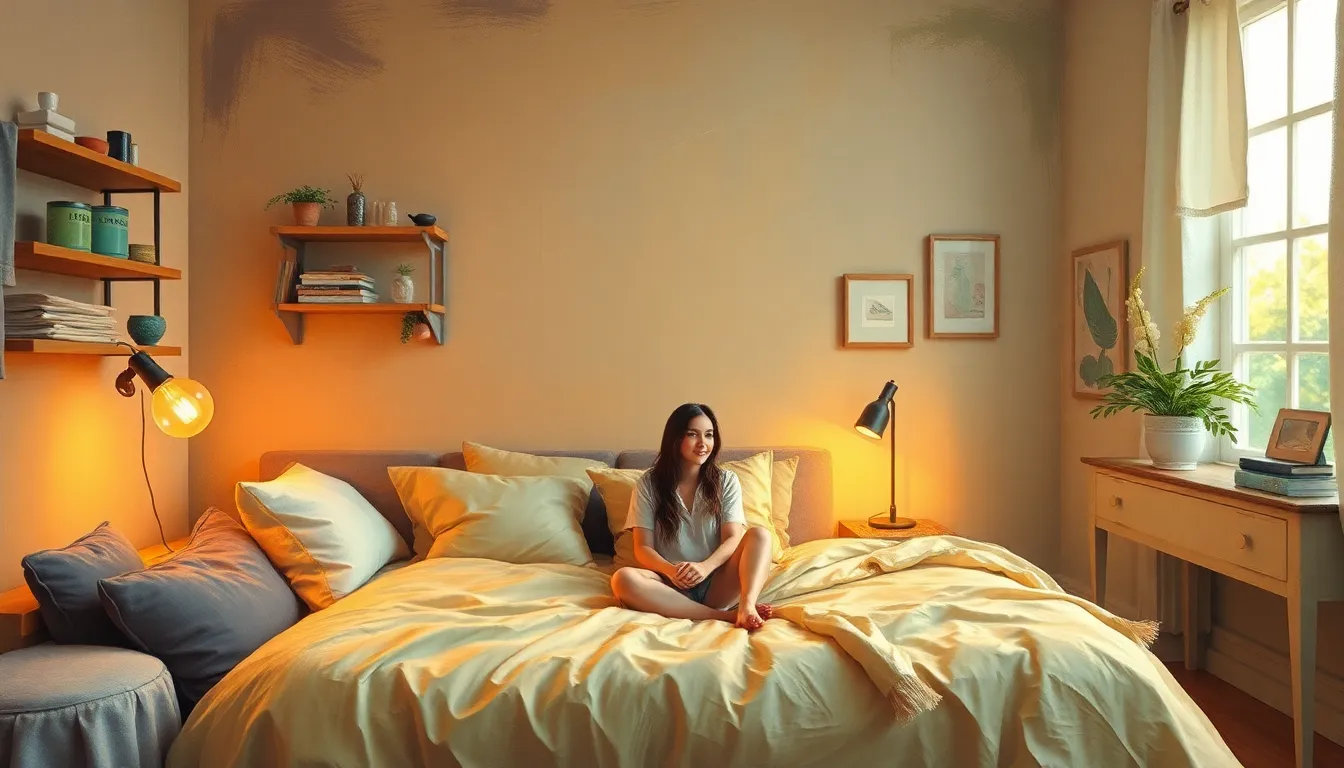
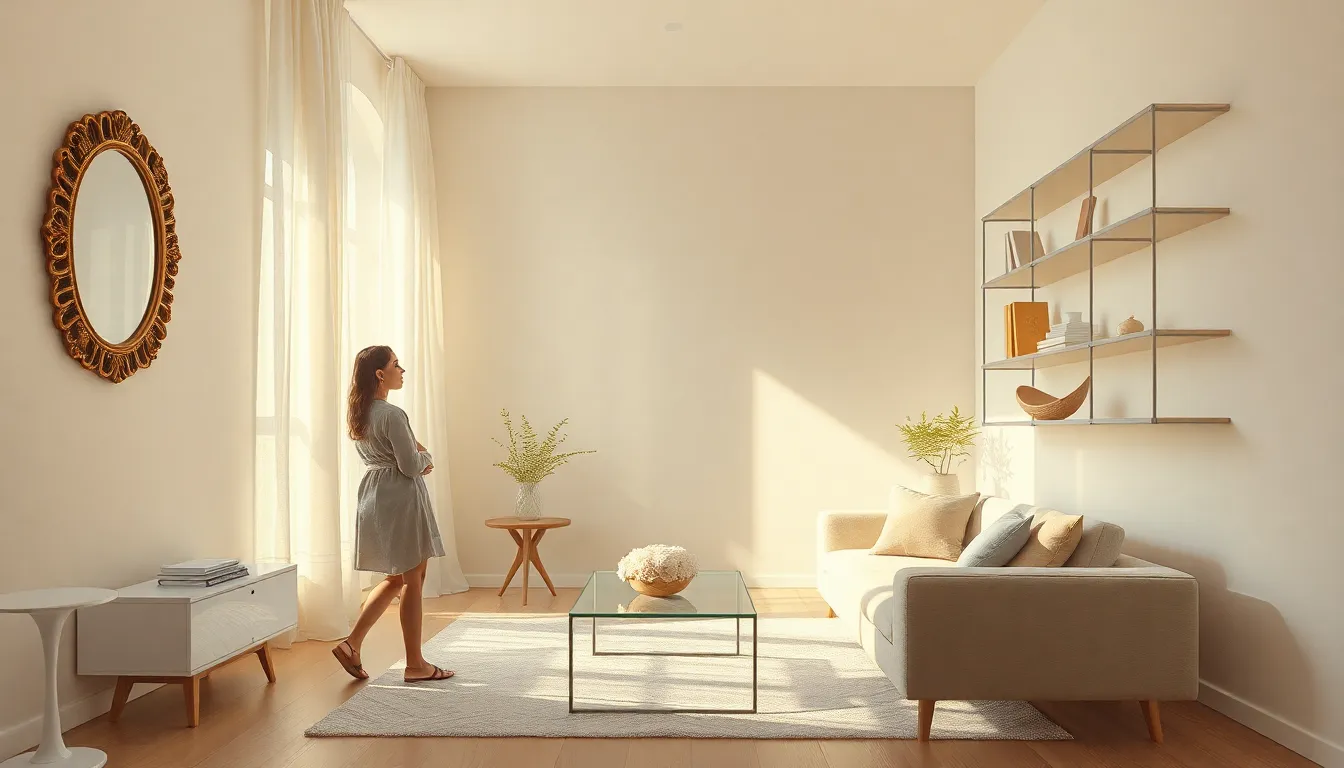
Living in a small space doesn’t mean you have to compromise on style or comfort. Whether you’re in a compact city flat, a studio apartment, or simply working with a cosy room, the right decorating choices can completely transform how your space looks and feels. The secret isn’t about making everything smaller or cramming less in – it’s about being smarter with what you have. With a few clever decorating ideas, you can create a home that feels open, inviting, and surprisingly spacious, no matter how many square metres you’re actually working with.
Use Light Colours to Open Up Your Space
One of the most effective ways to make a small room feel larger is through your colour palette. Light, neutral colours reflect more light than dark ones, which helps create an airy, open feeling. Designers often recommend painting walls, ceilings, and even trim in similar light tones to blur the boundaries of a room and make it feel more expansive.
This doesn’t mean everything needs to be stark white, though. Soft creams, pale greys, gentle beiges, and light pastels all work beautifully. The key is maintaining consistency rather than breaking up the space with contrasting colours that draw attention to where walls begin and end. When your eye travels smoothly across surfaces without interruption, the room naturally feels bigger.
If you’re worried about light colours feeling too bland, add visual interest through texture instead. A cream linen sofa, a woven jute rug, and matte white walls all sit in the same colour family but create depth through varied materials. You can also introduce pops of colour through accessories, artwork, or cushions that you can easily swap out when you fancy a change.
Choose Furniture That Works Harder
In a small space, every piece of furniture needs to earn its place. Multi-functional furniture isn’t just practical – when chosen well, it can look just as stylish as single-purpose pieces. An ottoman with hidden storage becomes both extra seating and a place to stash blankets. A sofa bed means your living room can transform into a guest room when needed. A dining table with drop leaves expands when you’re entertaining but tucks away neatly during the week.
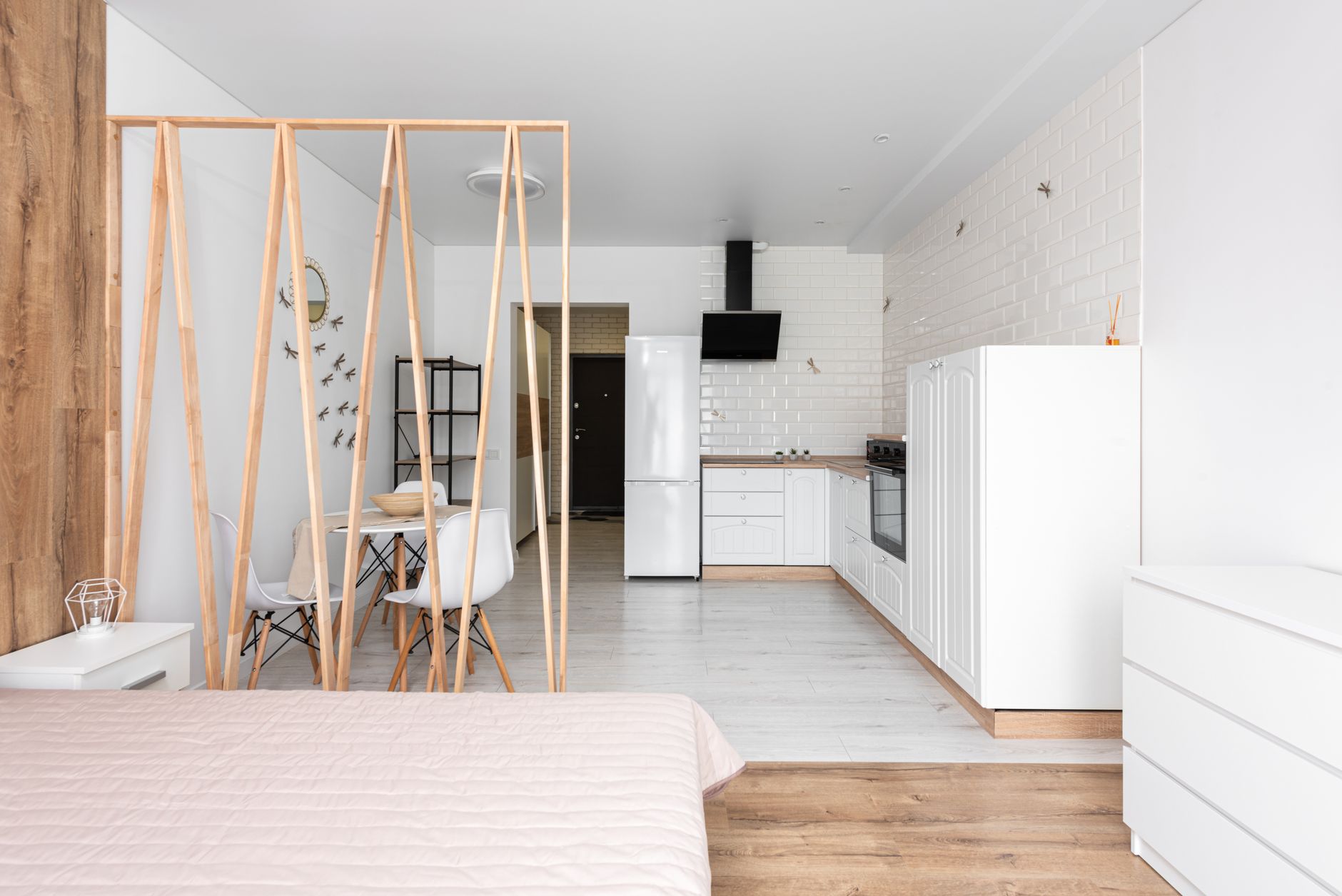
Scale matters enormously when selecting furniture for compact rooms. Architectural Digest notes that designers are now breaking the old rule that small spaces need tiny furniture, suggesting that one well-proportioned larger piece often works better than several undersized ones that make the room feel cluttered.
Look for furniture with exposed legs rather than pieces that sit flush to the floor. When you can see the floor beneath a sofa or chair, it creates a sense of openness and makes the room feel less crowded. Glass or acrylic furniture works on the same principle – a clear coffee table or transparent dining chairs take up physical space without blocking visual flow.
⚡ Expert Tip: Hang your curtains as close to the ceiling as possible and let them just skim the floor. This vertical line draws the eye upward and makes your ceilings appear higher, instantly creating the illusion of more space. Choose light, flowing fabrics rather than heavy drapes to maintain an airy feeling.
Mirror Tricks That Actually Work
Mirrors are the decorator’s secret weapon for small spaces, and for good reason. They reflect both natural and artificial light, instantly brightening a room. More importantly, they create depth by reflecting the space back on itself, making a room feel nearly twice as large as it actually is.
The placement of your mirror matters enormously. Position a large mirror opposite a window to maximise natural light and create the illusion of an additional window. In a narrow hallway, a mirror along one wall makes the space feel wider. In a small dining area, a mirror behind your table reflects the room and makes it feel like you’re dining in a much larger space.
You don’t need a single enormous mirror to achieve this effect, either. A collection of smaller mirrors arranged as a gallery wall can be just as effective and adds an interesting design element. Mirrors with interesting frames become decorative features in their own right, serving both form and function. Just avoid placing mirrors where they’ll create awkward reflections of clutter or unflattering angles – you want them to reflect the best parts of your room.
Vertical Space Is Your Best Friend
When floor space is limited, thinking vertically transforms your options. Most people dramatically underuse their wall space, leaving vast expanses empty while their floors remain cluttered. Interior design experts consistently recommend using vertical storage to make rooms feel larger and more organised.
Tall bookcases that reach toward the ceiling draw the eye upward and make your room feel taller. Floating shelves provide storage and display space without the visual bulk of traditional furniture. Wall-mounted desks fold away when not in use. Pegboards in kitchens keep utensils visible and accessible while freeing up precious drawer and counter space.
In bedrooms, consider the space above your bed. Floating nightstands mounted to the wall take up no floor space at all. Shelving above the headboard creates storage for books and decorative items. In bathrooms, vertical storage above the toilet or beside the sink makes use of otherwise wasted space. The key is ensuring these vertical elements feel intentional rather than cluttered – group items thoughtfully and leave some breathing room.
Q&A
What colours make a small room look bigger?
Light, cool colours are your best bet for making a small room appear larger. Whites, soft greys, pale blues, and gentle greens all reflect more light and create an open, airy feeling. For the strongest effect, paint walls, ceilings, and trim in similar tones to eliminate visual boundaries. That said, you don’t have to stick to pure white – any light colour works as long as you maintain consistency throughout the space.
Should you put large furniture in a small room?
Yes, you can – and sometimes you should. One appropriately sized, well-chosen larger piece of furniture often works better than several small pieces that make the space feel cluttered and disjointed. The key is choosing furniture with exposed legs or transparent materials that allow visual flow, and ensuring each piece serves a clear purpose. Avoid overstuffed furniture and opt for streamlined designs that fit the scale of your room without overwhelming it.
How can I make my small flat feel less cluttered?
Regular decluttering is essential, but smart storage makes the bigger difference. Use vertical space with tall shelving and wall-mounted storage. Choose furniture with hidden storage compartments. Keep surfaces relatively clear by storing items away when not in use. Use decorative baskets or boxes to contain smaller items. The goal isn’t to own less necessarily, but to ensure everything has a designated home rather than sitting out on display.
Do mirrors really make a room look bigger?
Absolutely. Mirrors reflect both light and the room itself, creating an illusion of depth and additional space. The effect is most dramatic when you place a large mirror opposite a window or light source, or along one wall of a narrow room. Mirrors also make spaces feel brighter by bouncing light around, which contributes to the sense of openness. Just be thoughtful about placement – you want mirrors to reflect the most attractive parts of your room.
For Conclusion
Small-space living requires creativity, but it certainly doesn’t require sacrifice. The decorating ideas that make the biggest difference are often the simplest – choosing the right colours, being selective with furniture, using mirrors strategically, and thinking vertically rather than just horizontally. These aren’t expensive renovations or major overhauls, just thoughtful choices about how you use the space you have.
What matters most is creating a home that feels comfortable and reflects your personality, regardless of its size. A well-decorated small space often feels more inviting than a poorly planned large one. By focusing on light, functionality, and smart use of every dimension, you can create a home that not only feels bigger but also works better for your daily life. The constraints of a small space often lead to more creative, intentional design choices that you’ll genuinely love living with.

Related Posts